Pros and Cons of Modular Kitchen Installation
Table of Contents
- What Is a Modular Kitchen?
- Key Advantages of Modular Kitchen Installation
- Disadvantages of Modular Kitchen Installation
- Modular Kitchen vs. Carpenter-Made Custom Builds
- Modular Kitchen Installation Timeline: What to Expect
- Best Materials for Modular Kitchen Cabinets
- Cost Comparison: Modular vs. Conventional Kitchen Setup
- Frequently Asked Questions
Last Updated: October 3, 2026
What Is a Modular Kitchen?
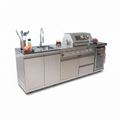
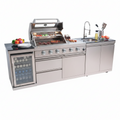
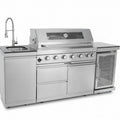
A modular kitchen is a pre-fabricated outdoor cooking system that arrives in separate components and assembles into a complete, functional kitchen island. Unlike traditional carpenter-made custom builds, modular kitchens come pre-assembled with grill units, refrigeration, storage, and countertops that connect through standardized hardware. They're engineered for quick setup and layout flexibility on existing patios without extensive carpentry or foundation work.
Delightful Backyard modular kitchens deliver built-in functionality with freestanding convenience. The entire system uses 304 stainless steel and granite countertops to resist rust, heat, and weather year-round.
The core advantage of modular kitchen installation is speed. Most homeowners can have a fully functional outdoor cooking space ready within days, not weeks or months. This makes modular systems ideal for families who want to entertain by the weekend rather than wait through an extended construction timeline.
Key Advantages of Modular Kitchen Installation
Speed of Setup and Layout Flexibility
Modular kitchen installation is fast because fabrication and assembly happen in a factory, not your backyard. Most units arrive 90% pre-assembled with universal wheels. You avoid contractor coordination, construction debris, and custom cabinetry delays.
Setup typically takes a single day: position modules, connect gas and water, and you're grilling. On a tight 12x14-foot patio, start with a 98-inch kitchen and expand later.

Cost-Effectiveness and Budget Control
Modular kitchen installation eliminates cost unpredictability. Custom builds spiral with design changes and structural work; modular systems have fixed pricing. A Delightful Backyard 98-inch kitchen costs $4,453.99, a complete system with grill, refrigerator, sink, and storage.
Modular systems skip site preparation, concrete pads, and foundation work.
Customization and Space Optimization
Modern modular systems offer significant customization: choose grill size (85-inch or 104-inch) and modules like refrigeration, wine cooler, side burners, or rotisserie kits.
A 98-inch kitchen delivers functionality of much larger custom builds by maximizing every inch.
Disadvantages of Modular Kitchen Installation
Durability and Long-Term Maintenance
Modular kitchens reveal trade-offs in durability. Over 5-10 years, sun, rain, and temperature swings stress connection points between modules.
Maintenance is higher than expected: stainless steel needs regular cleaning to prevent corrosion, hinges and slides need lubrication, and gas connections require annual inspection.
Damaged modules may need full replacement rather rather than repair.
Material Quality and Water Resistance
Modular kitchens use pre-laminated finishes, acrylic coatings, and stainless steel to control costs.
Assembly and Installation Challenges
The final 10% of assembly requires mechanical aptitude and proper tools: aligning heavy sections, fastening bolts, and leveling.
Damaged components delay setup while replacements arrive.
Gas line connection requires a licensed technician. Water supply and drainage need proper installation.
Modular Kitchen vs. Carpenter-Made Custom Builds
Modular systems arrive pre-engineered with known specs, fixed pricing, and predictable assembly. Custom builds are fabricated on-site to exact specifications. The comparison hinges on three factors: timeline, cost certainty, and long-term customization.
Timeline: Modular kitchens are ready in days; custom builds take 4-8 weeks.
Cost Certainty: Modular systems have fixed pricing. Custom builds escalate with structural issues, material delays, or design changes.
Customization: Custom builds fit unusual spaces and match architectural style. Modular systems offer customization within product range.
Long-Term Durability:
Modular Kitchen Installation Timeline: What to Expect
Pre-Purchase Phase (1-2 weeks): Research options, measure your patio, and decide on size and configuration.
Order and Delivery (2-4 weeks): Most kitchens ship within 2-3 weeks; delivery takes 3-7 days. Delightful Backyard offers free shipping on most continental U.S. orders.
Pre-Assembly Inspection (1 day): Inspect all components for damage before assembly.
Modular Outdoor Kitchen BBQ Island, 104" Outdoor Kitchen Propane Gas Island →
Assembly and Installation (1-2 days): DIY assembly takes 6-10 hours; contractor completion takes one day.
Professional Connections (1-3 days): Gas and water installation may require licensed professionals.
Total Timeline: 4-6 weeks from order to first grilling session.
The modular kitchen installation timeline contrasts sharply with custom builds, which often take 8-12 weeks from design to completion. If you're planning a summer gathering and it's already spring, modular is your realistic option.
Best Materials for Modular Kitchen Cabinets
Material selection determines how well your modular kitchen resists weather, maintains its appearance, and holds up to regular use.
Stainless Steel and Metal Finishes
304 stainless steel is the gold standard for modular outdoor kitchens. It resists rust, salt spray corrosion, and oxidation far better than standard steel. The material is non-porous, so it doesn't absorb moisture or harbor bacteria. Cleaning is straightforward, wipe with mild soap and water, dry immediately to prevent water spots.
Stainless steel finishes come in polished (reflective, shows fingerprints) and brushed (matte, hides marks better). Brushed stainless steel is more practical for outdoor kitchens because it requires less frequent cleaning to maintain appearance. Both finishes require occasional conditioning with stainless steel cleaner to prevent dullness and maintain corrosion resistance.
The downside of stainless steel is cost. It's the most expensive cabinet material, which is why budget modular kitchens sometimes substitute aluminum or powder-coated steel. These alternatives are lighter and cheaper but corrode faster in harsh climates. If you live near the ocean or in a humid region, stainless steel is worth the premium.
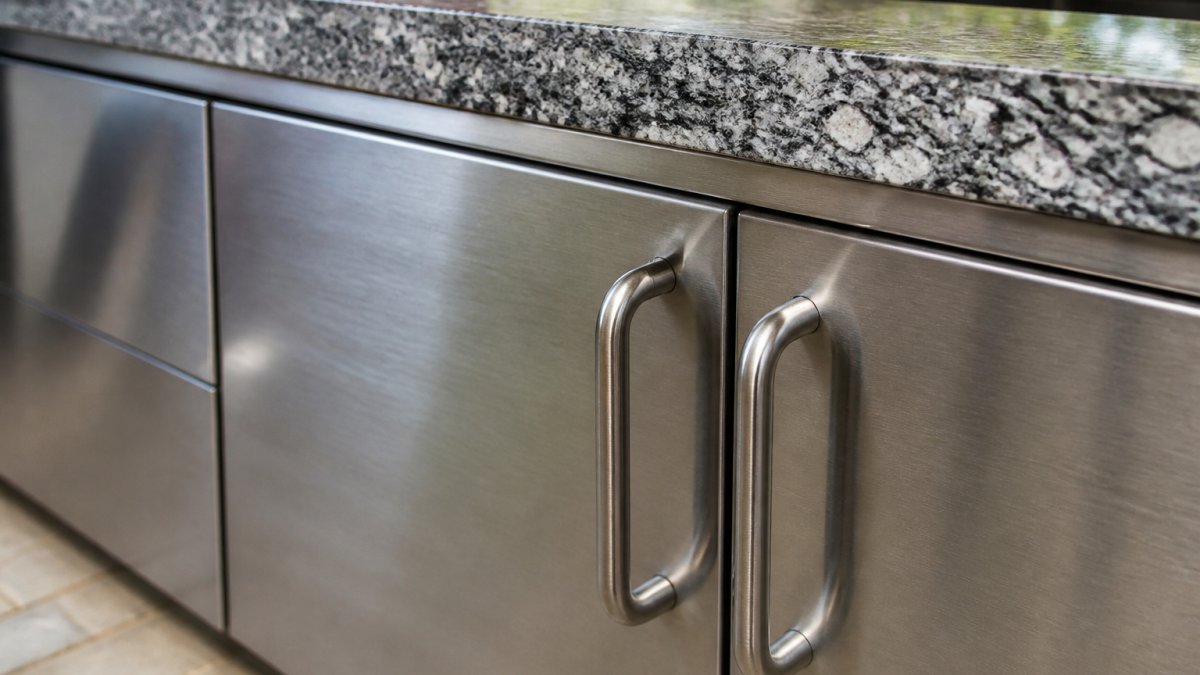
Our 98-inch modular kitchen features 304 stainless steel construction throughout, ensuring durability across seasons and climates. The material's non-porous surface resists water penetration.
Pre-Laminated and Acrylic Options
Pre-laminated and acrylic cabinets work well if you're willing to perform regular maintenance: annual waterproofing, prompt cleanup of spills, and protective covers during off-season storage. They're practical for moderate climates where weather exposure is less extreme.
Countertop Materials and Hardware
Granite countertops are standard on most modular kitchens, including our systems. Granite is heat-resistant, durable, and attractive. It requires annual sealing to maintain water resistance, but it's far more durable than laminate alternatives. Granite tolerates hot pans directly off the grill and resists staining from oils and spices.
Hardware, hinges, drawer slides, handles, and fasteners, should be stainless steel or powder-coated steel for outdoor use. Stainless steel hardware lasts longer and requires minimal maintenance.
Cost Comparison: Modular vs. Conventional Kitchen Setup
Understanding the true cost difference between modular and conventional (carpenter-made) outdoor kitchens requires looking beyond the base price.
Modular Kitchen Costs:
- Base unit (98-inch system): $4,453.99
- Total: $5,500-7,000 for a complete, ready-to-use system
Conventional Custom Kitchen Costs:
- Design and planning: $500-1,000
- Site preparation (concrete pad, leveling): $1,500-3,000
- Materials (stainless steel, granite, cabinetry): $4,000-8,000
- Labor (4-8 weeks of carpentry): $3,000-6,000
- Gas and water connections: $500-1,000
- Total: $9,500-19,000+ depending on scope and materials
The modular approach saves $4,000-12,000 on the initial investment. For homeowners on a budget or unsure about long-term commitment, this cost advantage is significant.
If you plan to stay in your home long-term and entertain frequently, the custom build's higher upfront cost spreads across 15+ years of use. If you're uncertain about your long-term plans or want to test outdoor entertaining before committing major capital, modular makes financial sense.
For most homeowners, modular kitchen installation delivers a great balance of upfront affordability, quick setup, and functionality. You get an outdoor cooking space ready for weekend entertaining without the extended timeline or budget uncertainty of custom builds.
The choice between modular kitchen installation and custom builds ultimately depends on your priorities. If you want to entertain by the weekend and control your budget, modular systems deliver. If you have a unique space, specific design vision, or plan to stay in your home for 15+ years, a custom build may justify the higher cost and longer timeline. At Delightful Backyard, our modular outdoor kitchens are engineered with 304 stainless steel, granite countertops, and integrated refrigeration to provide durability and functionality. Explore our 98-inch and 104-inch options to find the perfect fit for your patio and entertaining style.
Frequently Asked Questions
What are the main disadvantages of modular kitchen installation?
The primary drawbacks include assembly complexity if you're not handy, and water resistance issues in high-moisture areas.
How does the modular kitchen installation timeline compare to custom carpentry?
Modular kitchen installation is significantly faster. Most modular setups arrive 90% pre-assembled and can be ready to use within days, while custom carpenter-made kitchens typically take 4-8 weeks. Modular units use pre-fabricated components that connect seamlessly, whereas custom builds require on-site measurement, design, material ordering, and construction. This speed advantage makes modular kitchens ideal for homeowners who want to entertain quickly.
What materials are best for long-lasting modular kitchen cabinets?
Stainless steel and marine-grade 304 stainless steel offer the best durability and water resistance, resisting rust and corrosion in outdoor environments. Granite countertops provide excellent durability and aesthetic appeal. Look for models with weather-sealed cabinets.
How much does modular kitchen installation typically cost?
Modular kitchen costs vary widely based on size and features. Basic 4-burner stainless steel modular kitchens start around $4,300-$4,450, while larger 6-burner models with wine coolers and rotisserie kits run $4,300-$4,450. Premium options with integrated pergolas and advanced features can exceed $23,000. This is significantly less than custom-built kitchens, which typically cost $8,000-$15,000+ depending on materials, labor, and complexity.
Is modular kitchen installation faster than custom-built kitchens?
Yes, modular kitchen installation is substantially faster. Most arrive over 90% pre-assembled and can be operational within 1-3 days with basic setup. Custom carpentry-built kitchens require 4-8 weeks because they involve on-site design, material sourcing, and construction. If you're not handy, modular kitchens are ideal for homeowners who want to host gatherings quickly.